Simply Books in Order
#
Title
Date
How to Read the Simply series
Best Read in Order
· Start with Book 1
Standalone stories, but characters and relationships develop across the series.
The books are best read in sequence for the fullest appreciation of character growth and subtle interconnections. The quartet begins with the story of music teacher Frances Allard and builds progressively, with each subsequent novel referencing prior events, shared friendships, and the evolving dynamics at Miss Martin’s School. Crossovers with Balogh’s broader universe—particularly characters from the Bedwyn saga—add richness when read in order. That said, each volume stands strongly as a self-contained romance with its own emotional arc and satisfying resolution, allowing readers to enjoy individual stories without prior knowledge. The gentle continuity of the school setting and recurring friendships rewards sequential reading without making it mandatory.
About the Simply series
Series Premise
At its heart, the series celebrates the quiet strength of women who teach and nurture the next generation while grappling with their own longings for connection, belonging, and passion. Each story follows one of the teachers as she encounters a man whose life intersects with hers in unexpected ways—often during holidays, chance meetings, or visits to friends. The narratives delve into personal histories marked by scandal, loss, or societal judgment, showing how love can heal old wounds, challenge prejudices, and offer second chances. While romance is central, the books also highlight themes of female friendship and solidarity, as the teachers support one another through triumphs and heartaches. The core premise gently questions Regency-era expectations of marriage and class, suggesting that fulfillment can come from meaningful work and chosen family as much as from grand passion.
Main Characters
The four teachers form the emotional core of the series. Frances Allard, the music and French teacher, is a woman of quiet dignity and hidden passion whose story explores duty versus desire. Anne Jewell, a single mother and teacher, carries the weight of past scandal with resilience and quiet strength, finding unexpected understanding in a reclusive, scarred man. Susanna Osbourne, once a charity pupil herself, brings warmth and optimism to her role, discovering love with a kind-hearted aristocrat who values her independence. Claudia Martin, the dedicated headmistress and founder, embodies practicality and principle, her story revealing the vulnerabilities beneath her composed exterior as she confronts her long-held distrust of the aristocracy.
Setting
The primary setting is the elegant yet grounded city of Bath, England, during the Regency period, with its famous crescents, assembly rooms, and mineral springs providing a backdrop of refined social life. Much of the action centers on Miss Martin’s School for Girls, a progressive institution founded by the headmistress to educate young women of various backgrounds, including charity pupils. The school’s modest yet welcoming atmosphere—classrooms filled with lessons in languages, music, and deportment—contrasts with the grander estates, country inns, or seaside manors where the teachers’ romances unfold. Balogh evokes sensory details with restraint and beauty: the crisp air of a snowy coach journey, the scent of chalk and books in the schoolrooms, the sparkle of candlelight at assemblies, and the quiet intimacy of a fireside conversation. Occasional forays into London or rural estates highlight class differences while keeping the focus on the teachers’ grounded perspectives.
Tone & Themes
Balogh’s tone is refined, introspective, and warmly sensual, characterized by graceful writing, subtle humor, and profound emotional insight rather than melodrama or slapstick. The prose flows with quiet elegance, allowing characters’ inner lives to unfold naturally through thoughtful dialogue and reflection. Themes emphasize redemption after personal or societal mistakes, the healing power of acceptance and forgiveness, the value of intellectual and emotional independence, the complexities of class and reputation in Regency society, and the idea that true love often arrives quietly, rewarding those who have learned to value themselves. Romance develops with tender restraint and deep mutual respect, featuring slow-burn attraction, honest communication, and physical intimacy that feels earned and emotionally significant. The stories affirm that vulnerability is strength and that even those who appear “simply†ordinary can experience profound transformation through love.
In the end, the Simply series by Mary Balogh is a gentle yet profound celebration of women who build meaningful lives beyond society’s narrow expectations, finding that love can enhance rather than define their hard-won independence. Balogh invites readers into a world of quiet courage and tender connection, where four remarkable teachers remind us that the most fulfilling romances often bloom not in grand ballrooms but in honest conversations, shared vulnerabilities, and the simple act of seeing—and being seen—clearly. These stories wrap the heart in elegance and empathy, leaving a lasting sense of hope: that it is never too late for healing, belonging, or the transformative power of being loved exactly as one is. Whether savoring the snowbound spark of new passion or the hard-won peace of a mature heart, the Simply Quartet offers the quiet satisfaction of stories that feel both timeless and deeply human—a balm for anyone who believes that true simplicity holds the greatest beauty.
FAQ
How many books are in the Simply series?
5 books total: 4 main + 1 extra story
When will the next book in the series be released?
No new book is currently scheduled. The latest book, Another Dream, was published in April 2016.
When was the most recent book released?
Another Dream was published in April 2016.
What was the first book in the series?
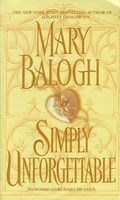
The first book in the series is Simply Unforgettable, published in April 2005.
What genre is the Simply series?
The series primarily falls into the Historical Romance genre.
Do you need to read the Simply series in order?
It’s best to read the series in order. Each book has its own story, but ongoing character arcs and relationships develop across the series.
What is the Simply series about?
At its heart, the series celebrates the quiet strength of women who teach and nurture the next generation while grappling with their own longings for connection, belonging, and passion. Each story follows one of the teachers as she encounters a man whose life intersects with hers in unexpected ways—often during holidays, chance meetings, or visits to friends. The narratives delve into personal histories marked by scandal, loss, or societal judgment, showing how love can heal old wounds, challenge prejudices, and offer second chances. While romance is central, the books also highlight themes of female friendship and solidarity, as the teachers support one another through triumphs and heartaches. The core premise gently questions Regency-era expectations of marriage and class, suggesting that fulfillment can come from meaningful work and chosen family as much as from grand passion.
Is the Simply series finished?
The series does not currently have a new book scheduled.
More Series Like Simply
If you enjoyed Simply, here are more historical romance series to explore.