Savage Books in Order
#
Title
Date
About the Savage series
Series Premise
The Savage series follows a consistent formula: a young white woman—often innocent, beautiful, and of privileged or settler background—finds herself in the American frontier, where she is captured, rescued, or willingly drawn into the world of a strong, noble Native American warrior (frequently a chief or powerful brave from a Plains, Pacific Northwest, or Great Lakes tribe). The heroine is initially frightened or resistant, but the warrior’s gentleness, strength, and deep love gradually win her over. Their romance unfolds against a backdrop of cultural clash, tribal conflict, settler encroachment, or personal danger, leading to a passionate union that often defies societal prejudice.
Common plot elements include:
- The heroine’s abduction or voluntary journey into Native territory.
- Initial misunderstanding or fear of the “savage†hero.
- The hero’s protective, tender treatment of the heroine despite his fearsome reputation.
- External threats (rival tribes, white soldiers, jealous suitors, or natural dangers).
- A love that bridges cultures and culminates in marriage and acceptance within the tribe (or occasionally the heroine’s world).
The premise is rooted in the “noble savage†romantic trope popular in 19th-century literature and 1980s–1990s romance: the white woman discovers freedom, passion, and authenticity in the arms of a Native man who embodies idealized masculinity and spiritual connection to the land.
Main Characters
Each book features a new couple, but recurring character types appear throughout:
- The Hero: A Native American warrior or chief—tall, muscular, long-haired, stoic, and fiercely honorable. He is often grieving a lost love or family, deeply connected to his people and the land, and initially distrustful of white people. Despite his “savage†reputation, he is gentle and protective toward the heroine.
- The Heroine: A young white woman—beautiful, innocent, courageous, and often a captive or accidental visitor to Native lands. She may be a settler’s daughter, a missionary, a widow, or a runaway. She begins fearful or prejudiced but is won over by the hero’s kindness and strength.
- Supporting characters: Tribal elders, rival warriors, white soldiers, greedy settlers, or the heroine’s family—usually serving as obstacles or catalysts. Children (often the couple’s future offspring) appear in epilogues.
Setting
The series is set primarily in the 19th-century American frontier and West, spanning various regions and time periods to accommodate different tribal cultures:
- Plains tribes (Lakota, Cheyenne, Comanche) in the Great Plains.
- Pacific Northwest tribes (often fictionalized Salish or Chinook-inspired groups).
- Great Lakes and Midwest tribes (Ojibwe, Shawnee, etc.).
- Occasionally the Southwest or Rocky Mountains.
Settings include:
- Vast prairies and buffalo grounds.
- Mountain valleys and forests.
- Tribal villages with tepees, longhouses, or lodges.
- Forts, trading posts, wagon trails, and early settler towns.
The historical backdrop is the era of westward expansion, Indian Wars, and reservation policies, but the books treat history loosely—focusing on romantic atmosphere rather than factual accuracy. Landscapes are described in lush, romantic terms: golden prairies, snow-capped mountains, rushing rivers, star-filled skies—creating a mythic, idealized West.
Tone & Themes
The tone is intensely romantic, passionate, and melodramatic—classic 1980s/1990s historical romance with heavy emphasis on sensual longing, emotional catharsis, and idealized love. The books are unabashedly emotional and sensual, with frequent, detailed love scenes that were considered quite explicit for their era. The prose is florid and overwrought, with repeated descriptions of the hero’s physical beauty, the heroine’s innocence, and the overwhelming power of their attraction.
The narratives often romanticize Native American culture in a stereotypical, exoticized way—portraying warriors as stoic, honorable, and spiritually attuned to nature—while villains (usually white soldiers, greedy settlers, or rival tribes) are broadly drawn. The tone is optimistic about love’s ability to conquer prejudice and hardship, with happy endings that affirm the couple’s union. While the books are emotionally intense, they avoid deep political critique or historical complexity, focusing instead on the personal and romantic.
The Savage series by Cassie Edwards is a sprawling, passionate entry in the historical romance canon that captures the escapist appeal of 1980s–1990s “Indian romance†at its peak. With its formula of white heroines finding love and liberation in the arms of noble Native warriors, the books deliver intense emotion, sweeping landscapes, and the fantasy of love transcending cultural boundaries. While deeply problematic by modern standards—relying on romanticized stereotypes, exoticization, and questionable historical accuracy—the series remains a nostalgic artifact for some longtime readers who enjoyed its unapologetic sensuality and dramatic storytelling. Set against the mythic American frontier, the Savage novels reflect a particular moment in romance publishing: one that prioritized passion and idealized masculinity over cultural sensitivity or historical nuance. For better or worse, it is one of the most prolific and recognizable series of its kind, leaving a complicated legacy in the genre.
FAQ
How many books are in the Savage series?
35 books
When will the next book in the series be released?
No new book is currently scheduled. The latest book, Savage Dawn, was published in September 2009.
When was the most recent book released?
Savage Dawn was published in September 2009.
What was the first book in the series?
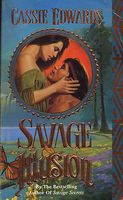
The first book in the series is Savage Illusion, published in August 1993.
What genre is the Savage series?
The series primarily falls into the Historical Romance genre.
What is the Savage series about?
The Savage series follows a consistent formula: a young white woman—often innocent, beautiful, and of privileged or settler background—finds herself in the American frontier, where she is captured, rescued, or willingly drawn into the world of a strong, noble Native American warrior (frequently a chief or powerful brave from a Plains, Pacific Northwest, or Great Lakes tribe). The heroine is initially frightened or resistant, but the warrior’s gentleness, strength, and deep love gradually win her over. Their romance unfolds against a backdrop of cultural clash, tribal conflict, settler encroachment, or personal danger, leading to a passionate union that often defies societal prejudice. Common plot elements include: - The heroine’s abduction or voluntary journey into Native territory. - Initial misunderstanding or fear of the “savage†hero. - The hero’s protective, tender treatment of the heroine despite his fearsome reputation. - External threats (rival tribes, white soldiers, jealous suitors, or natural dangers). - A love that bridges cultures and culminates in marriage and acceptance within the tribe (or occasionally the heroine’s world). The premise is rooted in the “noble savage†romantic trope popular in 19th-century literature and 1980s–1990s romance: the white woman discovers freedom, passion, and authenticity in the arms of a Native man who embodies idealized masculinity and spiritual connection to the land.
Is the Savage series finished?
The series does not currently have a new book scheduled.
More Series Like Savage
If you enjoyed Savage, here are more historical romance series to explore.