
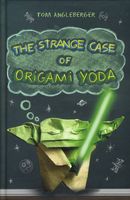
Origami Yoda Books in Order
How to Read the Origami Yoda series
Standalone stories, but characters and relationships develop across the series.
The series is best enjoyed in publication (or chronological) order to follow the natural progression of the school year, evolving friendships, and the ongoing "mystery" of Origami Yoda's wisdom. While each book delivers a self-contained adventure or case file with its own central problem, resolution, and satisfying payoff—allowing readers to pick up any volume independently without confusion—the recurring cast, callbacks to past events, gradual character growth, and building rivalries (especially between Origami Yoda and rival puppets) create richer continuity and emotional investment when read sequentially; out-of-order reading remains fun and accessible but may miss some of the inside jokes and cumulative warmth.
About the Origami Yoda series
Series Premise
The series revolves around a group of McQuarrie Middle School students who grapple with typical sixth-grade dilemmas—crushes, bullies, embarrassing moments, homework woes, social status, and the quest to survive middle school—while turning to (or debating) the mysterious advice of Origami Yoda, a finger puppet created by the eccentric Dwight that speaks in wise, Yoda-like riddles and often proves surprisingly accurate and helpful. Each story explores whether the puppet truly channels Jedi wisdom (or if Dwight is secretly brilliant), as the kids seek its guidance on everything from avoiding humiliation to navigating friendships, while facing antagonists like the mean-spirited Harvey (who creates rival puppets) and dealing with school rules, pranks, and the chaos of preteen life.
Main Characters
The ensemble centers on a diverse group of sixth-graders whose personalities and friendships drive the series' charm. Tommy, the primary narrator in the early books, is a thoughtful, slightly anxious everyman who compiles the "case files" to investigate Origami Yoda's powers, serving as the reader's relatable entry point with his mix of skepticism and hope. Dwight is the eccentric creator of Origami Yoda—a socially awkward, hygiene-challenged oddball who speaks mostly through his puppet, offering cryptic yet spot-on advice while enduring teasing for his weirdness. Kellen is the artistic, somewhat clumsy best friend whose doodles and mishaps add humor and heart. Harvey, the self-appointed rival, crafts antagonistic puppets like Darth Paper to debunk Yoda and assert superiority, creating ongoing tension through his mean-spirited schemes. Sara brings kindness and common sense, often acting as a moral center, while other classmates (like Lance, Quavondo, or Rhondella) contribute varied perspectives and side stories. The group forms a found-family dynamic—misfits united by curiosity, loyalty, and shared Star Wars love—while adults (teachers, the principal) remain mostly background figures, allowing the kids' voices and agency to shine.
Setting
The series is firmly rooted in the everyday world of McQuarrie Middle School, a typical suburban American middle school with lockers, cafeterias, gym classes, art rooms, hallways buzzing with gossip, and the ever-present threat of the principal's office or the Fun Time table (the dreaded lunch spot for social outcasts). The setting feels vividly real and timeless—fluorescent lights, bathroom graffiti, school buses, playground antics, and the seasonal rhythm of the school year (Halloween costumes, holiday parties, field trips, end-of-year chaos)—while infused with Star Wars flair through the origami puppets and kids' shared fandom. Locations extend slightly beyond school to homes, buses, and occasional field trips, but the heart remains the classroom and hallways where alliances form, secrets spread, and small dramas play out. This familiar environment grounds the fantastical element of the wise puppet in relatable kid reality, making the stories feel immediate and immersive.
Tone & Themes
Angleberger's tone is playful, irreverent, and deeply empathetic, striking a perfect balance between laugh-out-loud middle-school absurdity and gentle, relatable truths about growing up. The humor is abundant and kid-centric—full of gross-out jokes, doodle gags, exaggerated awkwardness, prank wars, and the endless debate over whether Origami Yoda is "real"—while never mocking the characters' genuine feelings of embarrassment, confusion, or hope. The narration, presented as a scrapbook-style collection of student testimonies, doodles, and "evidence," feels authentic and collaborative, with varying handwriting and perspectives adding charm and realism. Conflicts arise from everyday middle-school cruelty (bullies, social cliques) or self-doubt, but resolutions emphasize kindness, cleverness, and the value of oddball friendships over conformity. The vibe is optimistic and empowering—like sharing a secret notebook with your best friends—celebrating nerdiness, creativity, and the idea that wisdom can come from the most unexpected places, making it ideal for readers navigating their own awkward years.
The Origami Yoda series endures as a joyful, insightful celebration of middle-school weirdness, creativity, and friendship, where Tom Angleberger transforms ordinary kid struggles into laugh-filled mysteries with heart and wisdom. Through doodles, debates, and a wise paper puppet, the books remind young readers that being different can be a strength, advice can come from surprising sources, and true friends stick together no matter the chaos. Perfect for fans of humor, Star Wars nods, and authentic tween voices, the series delivers consistent delight and gentle encouragement—leaving kids (and adults) smiling at the idea that even in the awkward halls of middle school, a little origami magic can make everything better.
FAQ
7 books total: 6 main + 1 companion book
No new book is currently scheduled. The latest book, Emperor Pickletine Rides the Bus, was published in August 2014.
Emperor Pickletine Rides the Bus was published in August 2014.
The first book in the series is The Strange Case of Origami Yoda, published in March 2010.
The series primarily falls into the General Fiction genre.
It’s best to read the series in order. Each book has its own story, but ongoing character arcs and relationships develop across the series.
The series revolves around a group of McQuarrie Middle School students who grapple with typical sixth-grade dilemmas—crushes, bullies, embarrassing moments, homework woes, social status, and the quest to survive middle school—while turning to (or debating) the mysterious advice of Origami Yoda, a finger puppet created by the eccentric Dwight that speaks in wise, Yoda-like riddles and often proves surprisingly accurate and helpful. Each story explores whether the puppet truly channels Jedi wisdom (or if Dwight is secretly brilliant), as the kids seek its guidance on everything from avoiding humiliation to navigating friendships, while facing antagonists like the mean-spirited Harvey (who creates rival puppets) and dealing with school rules, pranks, and the chaos of preteen life.
The series does not currently have a new book scheduled.