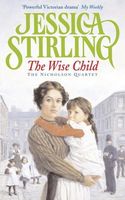
The Nicholson Quartet Books in Order
#
Title
Date
About the Nicholson Quartet
Series Premise
The series chronicles the marriage and family life of Kirsty Barnes and Craig Nicholson, a young couple from rural Scotland who marry for practical reasons and move to industrial Glasgow in search of better prospects. Their union begins with hope but quickly faces harsh realities: limited money, unfamiliar urban life, and the demands of survival in a bustling, unforgiving city. Early books focus on their adjustment—Craig's efforts to provide through labor, Kirsty's resourcefulness, and the birth of their son Bobby—while exploring how initial affection evolves into a complex, duty-bound partnership strained by external pressures and internal conflicts. The premise unfolds as a multi-decade family drama: the Nicholsons navigate poverty, illness, social change, and personal sacrifices across the four volumes. Kirsty and Craig's relationship is tested by temptations, misunderstandings, and the need to prioritize their child's welfare over individual desires. Bobby grows from a vulnerable infant into a "wise child" shaped by his parents' struggles, while the family confronts broader societal shifts—industrial Glasgow's hardships, class divides, World War I's shadow, and women's emerging roles. Each book advances the timeline, showing how love, loyalty, and resilience sustain the family through loss, separation, and eventual reconciliation. Themes center on the cost of duty, the endurance of marriage under strain, parental sacrifice, and the quiet strength found in ordinary lives amid historical change.
Main Characters
The quartet centers on the Nicholson family, with Kirsty and Craig as anchors across all four books.
Kirsty Nicholson (née Barnes) is the resilient heart: practical, determined, and deeply maternal, she adapts to Glasgow's challenges while holding the family together. Initially hopeful yet pragmatic about marriage, she grows into a strong, self-sacrificing woman who balances love, duty, and quiet ambition.
Craig Nicholson is the flawed provider: hardworking, proud, and initially optimistic, but strained by poverty and responsibility. His efforts to succeed (factory work, small ventures) clash with frustration, leading to distance in the marriage, yet his underlying devotion persists.
Bobby Nicholson, their son, evolves from a fragile child (affected by early hardship or illness) into a perceptive "wise child" whose perspective gains prominence in Book 3. He embodies the family's future, shaped by parental sacrifices.
Supporting characters include extended family (rural relatives, in-laws), neighbors, and Glasgow acquaintances who add community flavor—meddling friends, supportive or judgmental figures, and occasional antagonists (harsh employers, temptations). No large ensemble dominates; focus stays on the Nicholsons' intimate dynamics.
Setting
The series is set primarily in Glasgow, Scotland, during the late Victorian and Edwardian eras (roughly 1890s–1910s), capturing the city's transformation into an industrial powerhouse. Glasgow is portrayed vividly: crowded tenements in working-class districts, smoky factories, bustling shipyards, and the Clyde River, where the harsh realities of urban poverty contrast with occasional glimpses of beauty (parks, family outings). Early books highlight the couple's rural-to-urban transition from countryside simplicity to city survival, emphasizing cramped housing, limited resources, and the grind of labor.
The setting evolves with the timeline—streets change, trams appear, and World War I looms in later volumes—reflecting broader social shifts (women's suffrage hints, wartime rationing). Domestic interiors (modest kitchens, shared bedrooms) ground the emotional drama, while Glasgow's energy (markets, music halls) adds texture. The city symbolizes both opportunity and oppression, mirroring the Nicholsons' struggles and gradual progress.
Tone & Themes
The tone is tender, poignant, and realistically emotional—classic historical family saga with a gentle, introspective quality. Stirling handles hardship (poverty, illness, marital discord) with compassion rather than melodrama, focusing on everyday resilience and small triumphs. Expect heartfelt moments of love, regret, and quiet affection balanced against gritty realism—urban deprivation, workplace dangers, and the emotional toll of suppressed desires. Romance is subtle and mature: passion exists but is tempered by duty and circumstance, with tension arising from unspoken longings or sacrifices rather than overt drama. Humor is understated—dry observations of Glasgow life, family quirks, or ironic twists—while sentiment remains warm and hopeful. The series avoids sentimentality; resolutions feel earned through growth and forgiveness, leaving readers with a sense of quiet satisfaction and the enduring power of family bonds.
Jessica Stirling's Nicholson Quartet is a touching, understated gem of historical family saga literature: four interconnected novels that trace one ordinary Glasgow couple's marriage through decades of hardship, sacrifice, and quiet endurance. With its compassionate portrayal of working-class life, evolving relationships, and the redemptive power of family loyalty, the series captures the essence of early 20th-century Scotland—poverty and pride, duty and devotion—in a way that feels timeless and deeply human. Kirsty and Craig's story, anchored by their son Bobby, reminds readers that love often survives not through grand gestures but through persistent, everyday resilience. For fans of emotional historical fiction with heart and authenticity, the Nicholson Quartet offers a rewarding, character-rich journey worth discovering.
FAQ
How many books are in the Nicholson Quartet?
4 books
When will the next book in the series be released?
No new book is currently scheduled. The latest book, The Welcome Light, was published in January 1991.
When was the most recent book released?
The Welcome Light was published in January 1991.
What was the first book in the series?
The first book in the series is The Good Provider, published in April 1988.
What genre is the Nicholson Quartet?
The series primarily falls into the Historical Romance genre.
What is the Nicholson Quartet about?
The series chronicles the marriage and family life of Kirsty Barnes and Craig Nicholson, a young couple from rural Scotland who marry for practical reasons and move to industrial Glasgow in search of better prospects. Their union begins with hope but quickly faces harsh realities: limited money, unfamiliar urban life, and the demands of survival in a bustling, unforgiving city. Early books focus on their adjustment—Craig's efforts to provide through labor, Kirsty's resourcefulness, and the birth of their son Bobby—while exploring how initial affection evolves into a complex, duty-bound partnership strained by external pressures and internal conflicts. The premise unfolds as a multi-decade family drama: the Nicholsons navigate poverty, illness, social change, and personal sacrifices across the four volumes. Kirsty and Craig's relationship is tested by temptations, misunderstandings, and the need to prioritize their child's welfare over individual desires. Bobby grows from a vulnerable infant into a "wise child" shaped by his parents' struggles, while the family confronts broader societal shifts—industrial Glasgow's hardships, class divides, World War I's shadow, and women's emerging roles. Each book advances the timeline, showing how love, loyalty, and resilience sustain the family through loss, separation, and eventual reconciliation. Themes center on the cost of duty, the endurance of marriage under strain, parental sacrifice, and the quiet strength found in ordinary lives amid historical change.
Is the Nicholson Quartet finished?
The series does not currently have a new book scheduled.
More Series Like The Nicholson Quartet
If you enjoyed The Nicholson Quartet, here are more historical romance series to explore.