Lonely Lords Books in Order
#
Title
Date
How to Read the Lonely Lords series
Best Read in Order
· Start with Book 1
Standalone stories, but characters and relationships develop across the series.
The reading order of the series is recommended in publication sequence for the most rewarding experience, though the books function well as standalones. The stories are interconnected through overlapping families, shared social circles, and recurring secondary characters, with events or relationships from one book occasionally referenced or resolved in another. Sequential reading enhances appreciation of the growing web of alliances, subtle callbacks, and the evolving lives of the larger community. That said, each novel features a self-contained romance with its own emotional arc and happy ending, allowing new readers to begin with any title without confusion. The loose connections mean order does not strictly matter for casual enjoyment, but dedicated fans gain deeper satisfaction from following the chronological progression of the shared universe.
About the Lonely Lords series
Series Premise
The premise revolves around a circle of titled gentlemen—earls, viscounts, barons, and their kin—who earn the affectionate nickname “Lonely Lords†due to their personal histories of loss, family estrangement, illegitimate births, widowerhood, or self-imposed exile from polite society. Each story explores how these men, often carrying heavy emotional baggage or societal scandals, encounter intelligent, resilient heroines who challenge their defenses and help them reclaim joy, purpose, and intimacy. While romantic attraction sparks the central relationships, the narratives delve deeply into themes of family reconciliation, parental responsibilities, healing from trauma, and the quiet courage required to embrace vulnerability. Subplots frequently involve siblings, children, estates, and the intricate social obligations of the ton, showing how love serves as a catalyst for broader personal and familial redemption.
Main Characters
The main characters are the titular Lonely Lords themselves, each a distinct aristocrat grappling with personal demons. Heroes range from scandal-plagued rakes and reclusive widowers to illegitimate sons seeking legitimacy and dutiful heirs burdened by family expectations. They are portrayed as complex, honorable men whose loneliness stems from past mistakes, losses, or societal judgment, making their romantic awakenings particularly moving. Heroines are typically strong-willed, compassionate women—often governesses, widows, or independent-minded ladies—who match the lords intellectually and emotionally, offering acceptance and challenge in equal measure.
Setting
The setting is the English Regency era, primarily in rural estates, London townhouses, and fashionable social venues that reflect the period’s blend of opulent privilege and underlying social constraints. Grand country homes with sprawling grounds, well-tended gardens, and cozy libraries serve as intimate backdrops for budding romances and family reconciliations. London scenes capture the whirl of balls, parliamentary duties, and gossip-driven society, while quieter rural locales highlight estate management, tenant relations, and the slower rhythms of country life. Burrowes brings authenticity to the details—carriages, fashion, legal matters, and household routines—creating an immersive world where historical accuracy supports rather than overshadows the emotional stories.
Tone & Themes
The tone is tender, introspective, and gently witty, with a slow-burn pace that prioritizes emotional intimacy and character development over high drama or external peril. Burrowes’ prose is elegant yet accessible, rich in sensory details of Regency life and laced with dry humor arising from family banter or the heroes’ self-deprecating reflections. The overall theme emphasizes redemption and second chances, the transformative power of unconditional love and chosen family, the burdens and rewards of duty and parenthood, and the idea that true strength lies in emotional honesty rather than stoic isolation. Stories celebrate resilience after grief or scandal, the healing found in honest communication, and the importance of community support, all while subtly critiquing rigid class expectations and gender roles. Romance is sensual but never gratuitous, grounded in mutual respect and affection rather than mere physical attraction.
In conclusion, the Lonely Lords series offers a deeply satisfying journey through Regency England, where isolated aristocrats discover that vulnerability and love can mend even the most wounded hearts. Grace Burrowes excels at crafting romances that feel authentic and emotionally resonant, populated by memorable characters whose personal growth extends beyond the bedroom to encompass family, duty, and self-acceptance. For fans of character-driven historical romance who appreciate slow-burn passion, strong family bonds, and heroes who evolve through tenderness rather than conquest, these books deliver consistent warmth and insight. The Lonely Lords remind us that even in a society bound by rules and reputation, genuine connection can bridge divides and transform loneliness into belonging. Whether savoring one lord’s story or immersing in the full tapestry of interconnected lives, readers emerge with a renewed appreciation for the quiet power of love, forgiveness, and the families we choose—or rediscover—along the way.
FAQ
How many books are in the Lonely Lords series?
13 books
When will the next book in the series be released?
No new book is currently scheduled. The latest book, Ashton: Lord of Truth, was published in September 2016.
When was the most recent book released?
Ashton: Lord of Truth was published in September 2016.
What was the first book in the series?
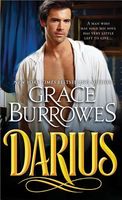
The first book in the series is Darius: Lord of Pleasures, published in April 2013.
What genre is the Lonely Lords series?
The series primarily falls into the Historical Romance genre.
Do you need to read the Lonely Lords series in order?
It’s best to read the series in order. Each book has its own story, but ongoing character arcs and relationships develop across the series.
What is the Lonely Lords series about?
The premise revolves around a circle of titled gentlemen—earls, viscounts, barons, and their kin—who earn the affectionate nickname “Lonely Lords†due to their personal histories of loss, family estrangement, illegitimate births, widowerhood, or self-imposed exile from polite society. Each story explores how these men, often carrying heavy emotional baggage or societal scandals, encounter intelligent, resilient heroines who challenge their defenses and help them reclaim joy, purpose, and intimacy. While romantic attraction sparks the central relationships, the narratives delve deeply into themes of family reconciliation, parental responsibilities, healing from trauma, and the quiet courage required to embrace vulnerability. Subplots frequently involve siblings, children, estates, and the intricate social obligations of the ton, showing how love serves as a catalyst for broader personal and familial redemption.
Is the Lonely Lords series finished?
The series does not currently have a new book scheduled.
More Series Like Lonely Lords
If you enjoyed Lonely Lords, here are more historical romance series to explore.