
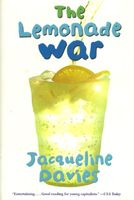
Lemonade War Books in Order
How to Read the Lemonade War series
Standalone stories, but characters and relationships develop across the series.
The series benefits most from being read in sequential order. While each book stands alone with its own self-contained plot and satisfying resolution, the stories build a rich, ongoing portrait of the Treski family’s evolving dynamics. Early events, such as the initial lemonade competition and its loose threads, directly influence later conflicts and character development, creating emotional continuity and inside references that deepen the reading experience. The progression mirrors real sibling growth—from summer freedom to school-year pressures and beyond—making chronological reading ideal for appreciating the subtle arcs of jealousy, forgiveness, and deepening affection. That said, the brisk pacing, clear recaps, and universal kid appeal ensure the books remain engaging and accessible even if discovered out of sequence.
About the Lemonade War series
Series Premise
The core premise revolves around Evan and Jessie Treski, siblings just fourteen months apart whose complementary strengths—Evan’s people skills and easy charm versus Jessie’s sharp mathematical mind and problem-solving prowess—fuel both their collaboration and their conflicts. The series begins with a classic sibling rift sparked by Jessie skipping a grade and landing in Evan’s fourth-grade class, igniting a fierce yet playful competition to outsell each other with lemonade stands in the final days of summer. This entrepreneurial battle sets the tone for the broader saga, where the siblings tackle new challenges together or against each other: solving neighborhood mysteries, navigating schoolyard justice, uncovering family secrets, staging creative projects, and confronting changes that test their loyalty. Each story transforms simple childhood scenarios—lost items, classroom crushes, holiday traditions, or community events—into opportunities for growth, where rivalry gives way to teamwork and misunderstandings dissolve through honest communication.
Main Characters
At the heart of every story stand the Treski siblings themselves. Evan Treski, the older brother entering fourth grade, is people-smart and naturally charismatic, skilled at chatting with customers or adults and smoothing social situations. His easygoing nature often masks deeper insecurities, especially around academics and sharing the spotlight with his gifted sister. Jessie Treski, the younger math whiz who skips a grade, possesses a brilliant analytical mind and a knack for calculations and strategies, but she struggles with reading social cues and expressing emotions. Her straightforward honesty and determination make her both endearing and occasionally blunt. Their contrasting personalities create sparkling chemistry—whether clashing in competition or uniting in clever solutions. Supporting and recurring characters enrich their world: their single mother, Mrs. Treski, a busy public-relations consultant who offers gentle guidance and the occasional business pamphlet without hovering; neighborhood friends like Scott Spencer, whose antics add humor and occasional complications; classmates and school figures who populate the classroom scenes with rivalries or alliances; and extended family members whose visits or traditions spark new adventures. These figures provide context, comic relief, and emotional stakes without overshadowing the central brother-sister duo.
Setting
The setting feels warmly familiar and quintessentially suburban American, grounding the stories in a relatable world that enhances their charm. Much of the action unfolds in the Treski family’s comfortable home, backyard, and neighborhood streets during lazy summer days filled with the scent of fresh lemonade and the buzz of neighborhood kids. The local elementary school provides a bustling backdrop for classroom interactions, playground drama, and after-school adventures, complete with lockers, cafeterias, and teachers who add gentle authority. Seasonal touches bring variety—autumn fairs, winter holidays, spring projects—while community spots like town centers or nearby parks host larger events that pull the siblings into bigger schemes. This everyday environment contrasts delightfully with the “wars†and mysteries, making the stakes feel personal yet safely contained, evoking a timeless slice of childhood where bikes, lemonade pitchers, and secret plans rule the day.
Tone & Themes
Tonally, the books strike a perfect middle-grade balance: light-hearted and humorous with snappy dialogue and playful antics, yet grounded in genuine emotion that can tug at the heartstrings. Expect laugh-out-loud moments from sibling squabbles or clever schemes, tempered by tender reflections on hurt feelings and reconciliation. The mood stays upbeat and reassuring, never veering into darkness, while incorporating gentle suspense through small-scale mysteries or ethical dilemmas. Davies’ prose is warm and accessible, often incorporating charts, receipts, or business terms that make learning feel like play. Thematically, the series explores the complexities of sibling love—how rivalry can escalate when communication falters, yet how working together proves far more rewarding. It celebrates complementary strengths (social savvy versus analytical talent), the difference between fairness and justice, the value of honesty and empathy, entrepreneurial creativity, and the resilience of family bonds amid change. Subtle lessons in economics, math, and social skills emerge organically, alongside broader messages about inclusion, standing up for what’s right, and embracing differences without letting them divide.
In the end, the Lemonade War series by Jacqueline Davies bubbles with the sweet-and-sour essence of growing up together—the tang of jealousy, the zest of competition, and the refreshing joy of reconciliation. Davies reminds us that even the fiercest sibling battles can lead to stronger bonds when hearts stay open and teamwork prevails. These stories wrap young readers in the comfort of familiar neighborhoods and the thrill of kid-sized triumphs, proving that ordinary days hold extraordinary potential when shared with someone who knows you best. For children navigating their own family dynamics or simply craving smart, funny tales with a dash of real-world smarts, the series offers an irresistible pitcher of entertainment, teaching that the best “profits†in life come not from winning alone, but from lifting each other up—one cup of lemonade, one honest conversation, and one unbreakable sibling promise at a time.
FAQ
6 books
No new book is currently scheduled. The latest book, The Bridge Battle, was published in November 2022.
The Bridge Battle was published in November 2022.
The first book in the series is The Lemonade War, published in April 2007.
The series primarily falls into the General Fiction genre.
It’s best to read the series in order. Each book has its own story, but ongoing character arcs and relationships develop across the series.
The core premise revolves around Evan and Jessie Treski, siblings just fourteen months apart whose complementary strengths—Evan’s people skills and easy charm versus Jessie’s sharp mathematical mind and problem-solving prowess—fuel both their collaboration and their conflicts. The series begins with a classic sibling rift sparked by Jessie skipping a grade and landing in Evan’s fourth-grade class, igniting a fierce yet playful competition to outsell each other with lemonade stands in the final days of summer. This entrepreneurial battle sets the tone for the broader saga, where the siblings tackle new challenges together or against each other: solving neighborhood mysteries, navigating schoolyard justice, uncovering family secrets, staging creative projects, and confronting changes that test their loyalty. Each story transforms simple childhood scenarios—lost items, classroom crushes, holiday traditions, or community events—into opportunities for growth, where rivalry gives way to teamwork and misunderstandings dissolve through honest communication.
The series does not currently have a new book scheduled.