
Mr. Harlequin Quin Books in Order
#
Title
Date
About the Mr. Harlequin Quin series
Series Premise
The central premise of the Mr. Harley Quin stories revolves around the partnership—sometimes indirect—between the enigmatic Mr. Harley Quin and an observant man named Mr. Satterthwaite. Mr. Satterthwaite frequently finds himself present at social gatherings, country houses, or quiet village settings where puzzling circumstances arise. These situations often involve unresolved tragedies, misunderstandings, or secrets that have shaped the lives of those involved.
At crucial moments, Mr. Harley Quin appears seemingly out of nowhere. His arrival often prompts Mr. Satterthwaite to look more closely at the people and events around him. Rather than actively investigating in the traditional sense, Quin acts as a catalyst. Through brief conversations or subtle observations, he encourages Satterthwaite to reconsider details that might otherwise have been overlooked.
The mysteries themselves often revolve around events that occurred in the past. A suspicious death, a missing person, or a tragic misunderstanding may suddenly come back into focus when new information emerges. By examining the motivations and emotional histories of the people involved, Satterthwaite gradually uncovers the truth behind these lingering mysteries.
The stories can generally be read in any order because each one presents a self-contained situation with its own characters and circumstances. However, reading them together allows readers to appreciate the recurring dynamic between Mr. Quin and Mr. Satterthwaite and to better understand the philosophical themes that run throughout the series.
In many ways, the premise of the series is less about solving crimes and more about revealing the truth behind human actions. The mysteries often resolve not only through logical deduction but also through insight into love, resentment, loyalty, and regret. Through this approach, Christie explores the emotional forces that drive people to make life-altering decisions.
Main Characters
The series revolves primarily around two central figures whose personalities and roles complement each other in intriguing ways.
Mr. Satterthwaite serves as the main viewpoint character in most of the stories. He is a refined and perceptive gentleman who has spent much of his life observing society rather than actively shaping it. Known for his keen interest in human nature, Satterthwaite possesses a remarkable ability to notice subtle details about people’s behavior and relationships.
Although he initially considers himself more of a spectator than a participant in life’s dramas, his encounters with Mr. Harley Quin gradually draw him into a more active role in uncovering hidden truths. Through these experiences, Satterthwaite begins to recognize that his observational skills can be valuable in solving mysteries and helping others confront the past.
In contrast, Mr. Harley Quin remains one of the most mysterious characters Christie ever created. His name evokes the figure of Harlequin from traditional Italian theater, and this connection hints at his symbolic role within the stories. Quin often appears suddenly at moments when a mystery is about to be revealed, as though drawn to situations where unresolved emotions need resolution.
Rather than conducting investigations himself, Quin acts as a catalyst for insight. His conversations with Satterthwaite encourage deeper reflection and often lead to crucial realizations. In many cases, he asks questions or makes observations that prompt Satterthwaite to see events from a new perspective.
Quin’s personality is calm, enigmatic, and perceptive. He rarely dominates the narrative, yet his presence profoundly influences the course of events. After helping guide the resolution of a mystery, he often disappears as quietly as he arrived.
Setting
The settings of the Mr. Harley Quin stories typically reflect the social world of early twentieth-century England. Many events take place in elegant country homes, rural villages, or quiet resorts where members of the upper and upper-middle classes gather for social occasions.
These environments provide the perfect backdrop for Christie’s exploration of hidden emotions and social dynamics. Beneath the polite conversations and refined manners, tensions and secrets often simmer quietly. A seemingly ordinary gathering can quickly become the stage for revelations about past relationships or long-concealed truths.
Country houses are particularly significant within the series. These large homes often serve as gathering places where guests from different backgrounds interact. The closeness of such environments allows for observation and speculation, creating opportunities for subtle clues to emerge through conversation and behavior.
Village settings also play an important role. Small communities tend to remember past events, even when those events have been officially forgotten. The collective memory of a village can sometimes hold the key to understanding a mystery that has lingered unresolved for years.
Occasionally, the stories venture into other environments such as seaside locations or holiday retreats. These settings often symbolize moments of transition or reflection, where characters have stepped away from their usual routines and become more open to confronting the past.
The settings rarely involve dramatic landscapes or dangerous environments. Instead, Christie emphasizes the contrast between peaceful surroundings and the emotional complexities hidden beneath them. This contrast reinforces the theme that profound mysteries can exist even within the most ordinary and civilized places.
Tone & Themes
The tone of the Mr. Harley Quin series is markedly different from many of Christie’s more famous detective stories. Instead of focusing primarily on suspense and intricate plotting, these stories often carry a reflective and slightly mystical atmosphere.
A sense of quiet mystery pervades the narrative. Readers frequently encounter situations where something feels subtly wrong or incomplete, even if no obvious crime has been committed. This feeling gradually intensifies as characters reveal fragments of the past, allowing the true nature of the mystery to emerge.
Another defining aspect of the tone is its elegance and restraint. The stories often unfold within refined social settings, such as elegant country houses or intimate gatherings among acquaintances. Conversations and observations play a central role, and the tension arises from what characters say—or choose not to say—rather than from dramatic confrontations.
The presence of Mr. Harley Quin adds a slightly supernatural dimension to the tone. Although he is not explicitly described as supernatural, his sudden appearances and symbolic connections to the theatrical figure of Harlequin create an air of mystery. He often seems less like an ordinary person and more like a guiding presence who arrives when the truth needs to be revealed.
At the same time, the tone retains the intellectual charm associated with classic detective fiction. The process of uncovering hidden relationships, interpreting clues, and piecing together past events provides the satisfaction of a traditional mystery while still maintaining the series’ distinctive emotional depth.
In some stories, the tone carries a sense of melancholy. Because many mysteries involve tragedies or missed opportunities from years earlier, the revelations can evoke feelings of regret and reflection. Yet these moments are often balanced by a sense of resolution, as uncovering the truth allows characters to finally move forward.
The Mr. Harley Quin stories by Agatha Christie offer a fascinating variation on the classic detective genre. Instead of focusing solely on crime-solving techniques, these narratives explore the emotional and psychological dimensions of mystery.
Through the thoughtful perspective of Mr. Satterthwaite and the enigmatic presence of Mr. Harley Quin, the stories reveal how hidden truths can shape lives long after the original events have occurred. Christie blends intellectual puzzle-solving with philosophical reflection, creating mysteries that linger in the reader’s mind.
Ultimately, the series highlights the enduring power of observation, empathy, and truth. By uncovering the past and understanding the motives behind human actions, the characters—and the readers—gain insight into the complexities of love, regret, and redemption.
FAQ
How many books are in the Mr. Harlequin Quin series?
15 books total: 14 main + 1 companion book
When will the next book in the series be released?
No new book is currently scheduled. The latest book, The Harlequin Tea Set, was published in January 1971.
When was the most recent book released?
The Harlequin Tea Set was published in January 1971.
What was the first book in the series?
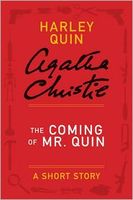
The first book in the series is The Coming of Mr. Quin, published in March 1924.
What genre is the Mr. Harlequin Quin series?
The series primarily falls into the Cozy Mystery genre.
What is the Mr. Harlequin Quin series about?
The central premise of the Mr. Harley Quin stories revolves around the partnership—sometimes indirect—between the enigmatic Mr. Harley Quin and an observant man named Mr. Satterthwaite. Mr. Satterthwaite frequently finds himself present at social gatherings, country houses, or quiet village settings where puzzling circumstances arise. These situations often involve unresolved tragedies, misunderstandings, or secrets that have shaped the lives of those involved. At crucial moments, Mr. Harley Quin appears seemingly out of nowhere. His arrival often prompts Mr. Satterthwaite to look more closely at the people and events around him. Rather than actively investigating in the traditional sense, Quin acts as a catalyst. Through brief conversations or subtle observations, he encourages Satterthwaite to reconsider details that might otherwise have been overlooked. The mysteries themselves often revolve around events that occurred in the past. A suspicious death, a missing person, or a tragic misunderstanding may suddenly come back into focus when new information emerges. By examining the motivations and emotional histories of the people involved, Satterthwaite gradually uncovers the truth behind these lingering mysteries. The stories can generally be read in any order because each one presents a self-contained situation with its own characters and circumstances. However, reading them together allows readers to appreciate the recurring dynamic between Mr. Quin and Mr. Satterthwaite and to better understand the philosophical themes that run throughout the series. In many ways, the premise of the series is less about solving crimes and more about revealing the truth behind human actions. The mysteries often resolve not only through logical deduction but also through insight into love, resentment, loyalty, and regret. Through this approach, Christie explores the emotional forces that drive people to make life-altering decisions.
Is the Mr. Harlequin Quin series finished?
The series does not currently have a new book scheduled.
More Series Like Mr. Harlequin Quin
If you enjoyed Mr. Harlequin Quin, here are more cozy mystery series to explore.