
Fudge Books in Order
How to Read the Fudge series
Standalone stories, but characters and relationships develop across the series.
The series is best read in its published chronological order. The books follow the natural progression of the characters’ ages and family circumstances, with each installment advancing the timeline and building on previous events. Early books focus on Peter’s struggles with Fudge as a very young child, while later volumes show both brothers navigating school, friendships, and more complex family dynamics. Although each novel delivers self-contained, humorous episodes that can be enjoyed independently, the cumulative character development—particularly Peter’s evolving perspective and the deepening sibling bond—gains richness when read sequentially. The gentle continuity of family life makes chronological reading the most satisfying path, though the light tone allows flexibility for younger readers.
About the Fudge series
Series Premise
The core premise revolves around Peter Hatcher, a responsible and often exasperated older brother, and his irrepressible younger brother Farley Drexel Hatcher—universally known as “Fudge.†The stories chronicle the daily adventures, disasters, and humorous complications that arise from living with a hyperactive, unpredictable, and endlessly entertaining little brother. From Fudge’s outrageous schemes and accidental (or deliberate) mischief to the family’s attempts to maintain normalcy, the narratives explore the challenges and joys of sibling relationships, parental patience, and growing up in a bustling urban household. As the series progresses, Peter matures from a self-conscious pre-teen into a more confident teenager, while Fudge grows from a toddler into a spirited elementary-schooler, bringing new layers of humor and emotional depth to their interactions.
Main Characters
Peter Hatcher is the relatable first-person narrator and central protagonist: a thoughtful, slightly anxious boy who often finds himself playing the straight man to his brother’s antics. He is responsible, intelligent, and frequently embarrassed by Fudge, yet he demonstrates genuine care and protectiveness toward his little brother as the series progresses. Fudge (Farley Drexel Hatcher) is the scene-stealing younger brother: energetic, fearless, endlessly curious, and completely uninhibited. His outrageous behavior—whether swallowing a pet turtle, redecorating with toothpaste, or demanding to be called by creative nicknames—drives much of the humor and conflict. Their parents, Anne and Warren Hatcher, provide steady, loving support while trying (often unsuccessfully) to maintain order. Anne is warm and practical, while Warren brings a gentle, sometimes overwhelmed paternal perspective. Supporting and recurring characters add texture and continuity: Peter’s friend Jimmy Fargo, whose own eccentric family provides additional comic relief; various classmates, teachers, and neighbors who witness or become entangled in Fudge’s chaos; and extended family members who appear during holidays or visits, offering new sources of humor and warmth. Fudge’s baby sister Tootsie, introduced in later books, brings fresh dynamics as the family expands.
Setting
The setting is primarily the Hatcher family’s comfortable apartment in New York City, a lively urban environment that serves as both backdrop and catalyst for many adventures. The bustling streets, crowded sidewalks, nearby parks, and neighborhood shops provide plenty of opportunities for Fudge’s escapades and Peter’s mortification. The family’s home—complete with shared bedrooms, a living room that doubles as a play area, and the constant hum of city life—feels authentic and intimate, reflecting the realities of raising active children in a metropolitan setting. Occasional trips to suburban or rural locations, such as visits to relatives or summer getaways, offer contrast and fresh comedic situations while keeping the emotional focus on family dynamics.
Tone & Themes
The tone is warm, funny, and refreshingly honest, capturing the absurdity and tenderness of family life without sugarcoating its frustrations. Judy Blume’s prose is conversational and accessible, filled with sharp observations, witty dialogue, and a perfect balance of exasperation and affection. The mood is light-hearted and optimistic, even during chaotic moments, with gentle humor that comes from realistic sibling dynamics rather than slapstick exaggeration. Themes center on the complexities of sibling relationships; the challenges of being the “responsible†older child; parental love and patience; the importance of family unity despite differences; personal growth through embarrassment and resilience; and learning to appreciate the unique qualities of family members. The stories subtly address childhood anxieties about fairness, attention, and identity while celebrating the messy, loving reality of growing up together.
In the end, the Fudge series remains a joyful celebration of the beautiful messiness of family life and the special bond between siblings. Judy Blume captures the universal experience of growing up with a younger brother or sister—the exasperation, the laughter, the occasional mortification, and the deep, unspoken love that ties it all together—with honesty and affection that never feels preachy or idealized. For generations of readers, these books have served as both mirror and comfort, reminding us that even the most chaotic families are filled with moments worth cherishing. The series lingers like the echo of Fudge’s infectious giggles or Peter’s long-suffering sighs: funny, heartfelt, and profoundly human. It affirms that being part of a family—flaws, turtle-swallowing incidents, and all—is one of life’s greatest adventures, and that learning to love your siblings (even when they drive you crazy) is a lesson that lasts a lifetime. In a world that can feel overwhelming, the Hatcher family offers a warm, humorous reminder that home is where the best stories—and the strongest bonds—begin.
FAQ
5 books
No new book is currently scheduled. The latest book, Double Fudge, was published in September 2002.
Double Fudge was published in September 2002.
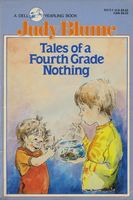
The first book in the series is Tales of a Fourth Grade Nothing, published in May 1972.
The series primarily falls into the General Fiction genre.
It’s best to read the series in order. Each book has its own story, but ongoing character arcs and relationships develop across the series.
The core premise revolves around Peter Hatcher, a responsible and often exasperated older brother, and his irrepressible younger brother Farley Drexel Hatcher—universally known as “Fudge.†The stories chronicle the daily adventures, disasters, and humorous complications that arise from living with a hyperactive, unpredictable, and endlessly entertaining little brother. From Fudge’s outrageous schemes and accidental (or deliberate) mischief to the family’s attempts to maintain normalcy, the narratives explore the challenges and joys of sibling relationships, parental patience, and growing up in a bustling urban household. As the series progresses, Peter matures from a self-conscious pre-teen into a more confident teenager, while Fudge grows from a toddler into a spirited elementary-schooler, bringing new layers of humor and emotional depth to their interactions.
The series does not currently have a new book scheduled.