The Extinction Cycle Books in Order
#
Title
Date
How to Read the Extinction Cycle
Must Read in Order
· Start with Book 1
Read in order—each book builds directly on the previous one.
The series must be read in its published chronological order for the most rewarding experience. The installments form a tightly connected narrative arc that advances the global timeline from the initial outbreak through escalating waves of infection, desperate countermeasures, and eventual attempts at reconstruction. Character relationships deepen through shared trauma, military hierarchies shift amid losses, and scientific discoveries build cumulatively toward larger revelations about the virus and its Variants. While individual books deliver self-contained missions or battles with high-stakes resolutions, skipping ahead would undermine the mounting dread, the emotional weight of accumulating casualties, and the evolving understanding of the enemy. Sequential reading preserves the saga’s addictive momentum and the sense of a world irrevocably changed by each hard-fought victory or devastating setback.
About the Extinction Cycle
Series Premise
The core premise begins with a top-secret military research facility experimenting on a variant strain of the Ebola virus, intended as a bioweapon or potential cure, which escapes control and mutates into something far more terrifying. The virus rapidly transforms infected humans into grotesque, hyper-aggressive Variants—apex predators with enhanced strength, speed, and primal instincts that hunt in packs and evolve with horrifying adaptability. Billions perish in the initial outbreak as society collapses under the weight of the “extinction event.†Amid the chaos, elite military units and brilliant scientists race against time to contain the spread, develop countermeasures, and preserve what remains of civilization. The narrative follows desperate operations to rescue survivors, strike at Variant strongholds, and combat both the monstrous threat and the moral decay of fractured governments and opportunistic survivors. Over the course of the saga, the story expands from immediate crisis response to long-term struggles for rebuilding, confronting ever-mutating Variants, internal betrayals, and the lingering scars of near-extinction.
Main Characters
Master Sergeant Reed Beckham (later promoted to Captain) stands as the steadfast central protagonist: a battle-hardened Delta Force operator leading Team Ghost, a tight-knit special operations unit. Beckham is defined by his unbreakable sense of duty, tactical brilliance, and quiet humanity, even as he endures devastating personal losses and witnesses the worst of the outbreak. Dr. Kate Lovato, a brilliant virologist and CDC researcher, serves as his intellectual and emotional counterpart; her scientific expertise and moral compass drive efforts to understand and combat the virus, while her growing relationship with Beckham adds heartfelt stakes amid the horror. Supporting and recurring characters enrich the ensemble with memorable depth: the loyal members of Team Ghost, including the tough and humorous Big Horn and Riley; Master Sergeant Joe “Fitz†Fitzpatrick, whose marksmanship and resilience make him a vital recurring ally; President Jan Ringgold, who represents the struggling remnants of legitimate authority; and various military personnel, scientists, and civilian survivors whose fates intertwine with the core team. Antagonistic forces range from mutated Variant alphas that grow smarter and more organized to human betrayers within the government or military whose self-interest exacerbates the crisis. These figures recur across the saga, evolving through promotion, injury, or tragedy, creating a living sense of a decimated world where every survivor carries scars.
Setting
The setting anchors in a near-future United States rapidly descending into anarchy, beginning with covert facilities and military bases like Fort Bragg before expanding across a ravaged continent. Iconic locations such as New York City become war zones overrun by Variants, while isolated strongholds like Plum Island serve as precarious sanctuaries for scientists and survivors. The landscape shifts from urban ruins choked with abandoned vehicles and gore-stained streets to rural outposts, coastal defenses, and makeshift refugee camps. As the saga progresses, the scope widens to include fractured government remnants, distant outposts, and hints of global fallout, with the environment itself turning hostile—darkened skies, overgrown ruins, and territories claimed by evolving monster packs. The atmosphere feels claustrophobic and apocalyptic, where every shadow conceals danger and the constant threat of infection or ambush keeps tension dialed to maximum.
Tone & Themes
The tone is gritty, frenetic, and unflinchingly intense, combining military procedural realism with horror-tinged action and moments of hard-won hope. Sansbury Smith’s prose is direct and propulsive, delivering visceral combat sequences, graphic depictions of Variant attacks, and tense strategic briefings without unnecessary flourish. Black humor and camaraderie occasionally lighten the darkness, but the dominant mood is one of relentless pressure and looming catastrophe. Themes course powerfully through the series: the catastrophic consequences of unchecked scientific ambition and military experimentation; human resilience and sacrifice in the face of existential threat; the thin line between civilization and savagery; loyalty and brotherhood within elite units; the ethical dilemmas of bioweapons and survival decisions; leadership under impossible pressure; and the enduring power of family and found bonds amid widespread loss. The stories probe how ordinary people—and extraordinary soldiers—confront not only external monsters but the monsters within, while highlighting themes of redemption, adaptation, and the fragile hope of rebuilding after total collapse.
In the end, the Extinction Cycle series roars like a Variant howl across a shattered landscape—a visceral, adrenaline-fueled warning about the perils of playing god with nature’s deadliest tools. Nicholas Sansbury Smith delivers a saga where elite warriors and dedicated scientists become the last thin line between humanity’s extinction and its fragile rebirth, blending pulse-pounding action with poignant reflections on what truly defines us when everything else is stripped away. For readers who crave military thrillers laced with biological horror and unyielding determination, the series offers an addictive plunge into darkness that never loses sight of the flickering light of courage and connection. It lingers long after the final page, a stark reminder that in the war against monsters—both created and innate—the greatest weapon remains the human will to endure, protect, and rebuild, one desperate stand at a time.
FAQ
How many books are in the Extinction Cycle?
8 books total: 7 main + 1 extra story
When will the next book in the series be released?
No new book is currently scheduled. The latest book, Extinction War, was published in December 2017.
When was the most recent book released?
Extinction War was published in December 2017.
What was the first book in the series?
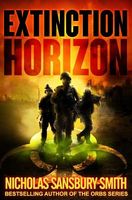
The first book in the series is Extinction Horizon, published in December 2014.
What genre is the Extinction Cycle?
The series primarily falls into the Science Fiction genre.
Do you need to read the Extinction Cycle in order?
Yes, the series should be read in order. The books follow a continuous story, starting with Extinction Horizon.
What is the Extinction Cycle about?
The core premise begins with a top-secret military research facility experimenting on a variant strain of the Ebola virus, intended as a bioweapon or potential cure, which escapes control and mutates into something far more terrifying. The virus rapidly transforms infected humans into grotesque, hyper-aggressive Variants—apex predators with enhanced strength, speed, and primal instincts that hunt in packs and evolve with horrifying adaptability. Billions perish in the initial outbreak as society collapses under the weight of the “extinction event.†Amid the chaos, elite military units and brilliant scientists race against time to contain the spread, develop countermeasures, and preserve what remains of civilization. The narrative follows desperate operations to rescue survivors, strike at Variant strongholds, and combat both the monstrous threat and the moral decay of fractured governments and opportunistic survivors. Over the course of the saga, the story expands from immediate crisis response to long-term struggles for rebuilding, confronting ever-mutating Variants, internal betrayals, and the lingering scars of near-extinction.
Is the Extinction Cycle finished?
The series does not currently have a new book scheduled.
More Series Like The Extinction Cycle
If you enjoyed The Extinction Cycle, here are more science fiction series to explore.