Eerie Elementary Books in Order
#
Title
Date
How to Read the Eerie Elementary series
Best Read in Order
· Start with Book 1
Standalone stories, but characters and relationships develop across the series.
The series is best read in its published chronological order. The narrative unfolds as a continuous storyline, with Sam's role as hall monitor evolving, the school's malevolence intensifying, and the friendships deepening through accumulated shared dangers. Early books establish the rules of the living school and introduce key threats, while later installments build on prior events, referencing past narrow escapes and escalating Orson Eerie's schemes. Although each volume features a self-contained adventure tied to a specific school activity or crisis that resolves neatly, skipping ahead would diminish the growing sense of camaraderie, the incremental revelations about the school's history, and the satisfying progression of Sam's confidence and resourcefulness. Sequential reading preserves the mounting tension and the fun of seeing how small victories contribute to larger confrontations.
About the Eerie Elementary series
Series Premise
The core premise revolves around Eerie Elementary, a seemingly typical school that harbors a terrifying secret: it is alive, animated by the restless spirit of Orson Eerie, a long-dead mad scientist whose malevolent essence infuses the very bricks, doors, lockers, and hallways. When young Sam Graves is unexpectedly chosen as the new hall monitor on his first day in the role, he discovers that this prestigious (or dreaded) position comes with a deadly responsibility. The hall monitor serves as the school's last line of defense, tasked with protecting students, teachers, and the building itself from the structure's hungry, vengeful attempts to trap, swallow, or harm everyone inside. Each story pits Sam and his loyal friends against the school's escalating attacks—whether through possessed furniture, sudden environmental hazards, or orchestrated chaos during school events—while they strive to keep the supernatural truth hidden from the unsuspecting adult world. Over the course of the series, the battles grow more inventive and personal as Orson Eerie's influence strengthens, forcing the kids to outsmart the building using quick thinking, teamwork, and everyday school objects turned into improvised weapons.
Main Characters
Sam Graves stands as the relatable protagonist and reluctant hero—a third-grade boy with a vivid imagination who starts out dreading his hall monitor duties but rises to the challenge with determination and quick wits. His orange sash becomes a badge of both honor and danger as he learns to listen to the school's ominous whispers and anticipate its attacks. Lucy, his sharp and level-headed best friend, brings brains, bravery, and a no-nonsense attitude that complements Sam's instincts, often spotting clues or devising plans. Antonio rounds out the core trio with his energetic personality, loyalty, and occasional comic mishaps, providing heart and humor while throwing himself wholeheartedly into the fights. Mr. Nekobi, the mysterious former hall monitor or principal figure, serves as an enigmatic mentor whose cryptic guidance hints at deeper knowledge of Orson Eerie's legacy. Recurring supporting characters include various classmates who become unwitting victims or temporary allies, teachers who remain blissfully unaware of the chaos, and the malevolent presence of Orson Eerie himself—manifested through the building rather than appearing directly—whose scientific obsessions fuel increasingly creative threats. These elements create a tight-knit group dynamic where friendships are tested and strengthened through shared peril.
Setting
The setting is Eerie Elementary itself, a classic-looking brick school building in a quiet town that appears perfectly normal from the outside—complete with classrooms, lockers, a cafeteria, playground, auditorium, and bell tower—but pulses with sinister life on the inside. Floors can swallow feet like quicksand, doors slam with malicious intent, lockers develop teeth, lights flicker menacingly, and the very walls seem to breathe or shift. School events like class plays, recess, science fairs, or holiday celebrations provide the backdrop for each crisis, turning familiar routines into battlegrounds. The environment feels both cozy and claustrophobic, where the everyday comfort of school becomes a source of dread, yet the kids' familiarity with its layout gives them a tactical advantage. Occasional glimpses of the wider town or Orson Eerie's shadowy past add depth without straying far from the school's haunted halls.
Tone & Themes
The tone is cheerfully eerie and fast-paced, striking a perfect balance between light scares and abundant humor that keeps the mood playful rather than overwhelming. Chabert's prose is straightforward, energetic, and accessible, with short chapters, cliffhanger endings, and witty observations that make the horrors feel exciting rather than traumatic. Themes center on bravery in everyday situations, the power of friendship and teamwork when facing the unknown, taking responsibility even when it's unwanted, clever problem-solving under pressure, and the idea that ordinary kids can become heroes. Subtle messages about facing fears, trusting allies, and standing up to seemingly unstoppable forces (literal or figurative) resonate without feeling preachy, encouraging young readers to find courage in their own "hall monitor" moments.
In the end, the Eerie Elementary series captures the thrill of discovering that the place you spend your days might be out to get you, turning routine school life into an exhilarating battle against the impossible. Jack Chabert crafts a world where laughter bubbles up between the shivers, reminding young readers that true courage often looks like showing up with an orange sash and a willingness to face the music—even when the music comes from creaking floorboards with a grudge. For children ready to dip their toes into spooky stories, this saga delivers just the right dose of chills wrapped in friendship, ingenuity, and the empowering message that even the scariest monsters (or buildings) can be outsmarted when you have good friends by your side. It lingers like a faint echo in an empty hallway, leaving readers both relieved to close the book and secretly eager to check if their own school feels a little too alive the next morning.
FAQ
How many books are in the Eerie Elementary series?
10 books
When will the next book in the series be released?
No new book is currently scheduled. The latest book, The End of Orson Eerie?, was published in June 2019.
When was the most recent book released?
The End of Orson Eerie? was published in June 2019.
What was the first book in the series?
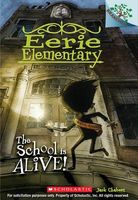
The first book in the series is The School Is Alive!, published in June 2014.
What genre is the Eerie Elementary series?
The series primarily falls into the Action Adventure genre.
Do you need to read the Eerie Elementary series in order?
It’s best to read the series in order. Each book has its own story, but ongoing character arcs and relationships develop across the series.
What is the Eerie Elementary series about?
The core premise revolves around Eerie Elementary, a seemingly typical school that harbors a terrifying secret: it is alive, animated by the restless spirit of Orson Eerie, a long-dead mad scientist whose malevolent essence infuses the very bricks, doors, lockers, and hallways. When young Sam Graves is unexpectedly chosen as the new hall monitor on his first day in the role, he discovers that this prestigious (or dreaded) position comes with a deadly responsibility. The hall monitor serves as the school's last line of defense, tasked with protecting students, teachers, and the building itself from the structure's hungry, vengeful attempts to trap, swallow, or harm everyone inside. Each story pits Sam and his loyal friends against the school's escalating attacks—whether through possessed furniture, sudden environmental hazards, or orchestrated chaos during school events—while they strive to keep the supernatural truth hidden from the unsuspecting adult world. Over the course of the series, the battles grow more inventive and personal as Orson Eerie's influence strengthens, forcing the kids to outsmart the building using quick thinking, teamwork, and everyday school objects turned into improvised weapons.
Is the Eerie Elementary series finished?
The series does not currently have a new book scheduled.
More Series Like Eerie Elementary
If you enjoyed Eerie Elementary, here are more action adventure series to explore.