
Burracombe Village Books in Order
#
Title
Date
About the Burracombe Village series
Series Premise
At the heart of the series is the fictional Devon village of Burracombe, a rural settlement whose residents form an intricate social network. The novels follow multiple families and individuals whose lives overlap through friendship, marriage, rivalry, and shared local traditions. Each story adds another piece to the broader picture of village life, showing how personal decisions ripple outward to affect neighbors, relatives, and the wider community.
The overarching premise revolves around the idea that a small village contains countless intertwined stories. Longtime residents strive to preserve familiar customs while adapting to gradual social change, while newcomers arrive seeking opportunity, refuge, or a fresh start. As these different lives intersect, Burracombe evolves over time, shaped by both continuity and transformation.
The books are loosely connected through recurring characters and an ongoing timeline. They can generally be read individually because each installment tells a largely self-contained story centered on particular villagers or events. However, reading them in order provides a richer sense of continuity, allowing readers to see relationships deepen, families grow, and the community itself gradually change.
Main Characters
Unlike many novel series that center on a single protagonist, the Burracombe stories feature a wide ensemble of recurring characters. The narrative moves among different perspectives, allowing readers to see the village through multiple experiences and personalities. This structure emphasizes that the true focus of the series is the community itself rather than any one individual.
Longstanding village families form the backbone of the story. These residents often possess deep ties to the land and to Burracombe’s traditions. Farmers, shopkeepers, and community leaders help maintain the village’s sense of stability and continuity. Through their experiences, readers gain insight into the customs and values that shape rural life.
Alongside these established families are characters who arrive from outside the village. Newcomers frequently play an important narrative role because they introduce fresh viewpoints and sometimes challenge local expectations. Some arrive hoping to escape difficulties elsewhere, while others simply seek a quieter life. Their gradual integration into the community highlights both the welcoming and cautious sides of village society.
Family relationships are central to many of the character arcs. Parents and children navigate generational differences as younger villagers question long-standing traditions and consider broader possibilities. These tensions reflect larger societal changes occurring in Britain during the time period, yet they remain grounded in personal emotions and family dynamics.
Friendships and neighborly bonds also form a crucial part of the character network. People in Burracombe depend on one another during times of need, whether through practical help on farms or emotional support during personal crises. These relationships illustrate how a small community functions as an informal safety net.
Romantic relationships frequently shape the development of the characters as well. Courtships, marriages, and occasionally heartbreak influence the structure of the village’s social connections. When two characters form a new partnership, their families and friends often become intertwined, strengthening the sense that individual lives are part of a larger communal story.
Over time, readers witness characters grow older, mature, and change in response to their experiences. Children introduced in earlier stories may later appear as adults with their own families and responsibilities. This long-term perspective adds depth to the series, allowing readers to observe how personalities evolve across different stages of life.
Setting
The setting of Burracombe is one of the most vivid and essential elements of the series. The village lies in the Devon countryside in southwest England, surrounded by rolling hills, farmland, and winding country lanes. Traditional cottages, family farms, and small local businesses give the village its distinctive character.
Central gathering places play a key role in shaping the social life of the community. The village church, the local pub, and small shops often serve as informal meeting points where residents exchange news, debate local matters, and reinforce social connections. These locations are not merely background details; they are part of the narrative structure, creating spaces where important interactions naturally occur.
Nature and seasonal rhythms are also woven deeply into the atmosphere of the stories. Agricultural cycles influence daily routines, with planting and harvest seasons affecting the pace of village life. Festivals, fairs, and church events mark the passage of time and bring residents together for shared celebrations. These traditions reinforce the sense that Burracombe is rooted in a long cultural history.
The mid-twentieth-century setting provides an additional layer of context. Britain during this period experienced significant social and economic changes, and these developments subtly influence the lives of the villagers. Younger generations begin to consider opportunities beyond the countryside, while modern ideas about work, class, and relationships gradually reshape the community.
Despite these changes, Burracombe remains a place defined by continuity. The landscape, traditions, and long family histories anchor the village in a sense of enduring identity. Readers experience the setting not only through descriptions of scenery but also through the ways characters interact with the land and with one another.
Over time, the setting evolves alongside the characters. New houses may appear, old businesses close or change hands, and different families rise to prominence within the community. Through these gradual shifts, the village becomes a living environment that grows and adapts without losing its core character.
Tone & Themes
The tone of the series is warm, reflective, and emotionally grounded. Lilian Harry writes with an evident affection for rural life and the quiet heroism of ordinary people. The stories emphasize compassion, resilience, and the importance of understanding others, creating a reading experience that feels both comforting and thoughtful.
One of the defining qualities of the tone is its gentle realism. While the novels often evoke nostalgia for traditional village life, they do not portray the countryside as a perfect idyll. Burracombe is a place where gossip can spread quickly, social expectations can feel restrictive, and old grudges sometimes linger. Yet even these tensions are presented with empathy, showing how people grow, forgive, and rebuild relationships over time.
The emotional atmosphere tends to be hopeful rather than dramatic. Conflicts usually arise from personal circumstances—misunderstandings between neighbors, financial hardship, generational disagreements, or hidden secrets from the past. These issues are rarely sensationalized. Instead, they unfold gradually through conversations, community interactions, and the slow development of trust between characters.
Humor also plays an important role in balancing the more serious themes. The quirks of village personalities, small misunderstandings, and everyday social mishaps often create moments of lightheartedness. These touches of humor help reinforce the sense that Burracombe is a living community filled with recognizable human behavior.
Overall, the tone encourages readers to appreciate the beauty of ordinary life. The novels celebrate kindness, perseverance, and the simple yet meaningful moments that define relationships. Even during periods of hardship, the stories maintain a sense of optimism grounded in the idea that people are stronger when they support one another.
The Burracombe Village series stands as a richly textured portrayal of rural community life. Through its interconnected stories and large ensemble of characters, the series captures the quiet drama of everyday existence in a small English village. Instead of relying on sensational plots, it builds its appeal through relationships, atmosphere, and the gradual unfolding of human experiences.
Lilian Harry’s novels highlight the enduring importance of community—how shared traditions, mutual support, and personal resilience allow people to navigate change together. Burracombe itself becomes more than a setting; it is the emotional heart of the narrative, a place where generations leave their mark and new stories continually emerge.
For readers who enjoy character-driven historical fiction and immersive depictions of village life, the series offers a comforting yet thoughtful exploration of how ordinary lives intersect to create something larger than any individual story. Through warmth, empathy, and a strong sense of place, the Burracombe novels celebrate the lasting power of belonging and the quiet strength found within a close-knit community.
FAQ
How many books are in the Burracombe Village series?
14 books total: 12 main + 2 extra stories
When will the next book in the series be released?
No new book is currently scheduled. The latest book, A Child in Burracombe, was published in August 2017.
When was the most recent book released?
A Child in Burracombe was published in August 2017.
What was the first book in the series?
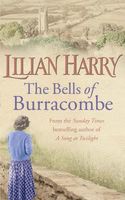
The first book in the series is The Bells of Burracombe, published in January 2006.
What genre is the Burracombe Village series?
The series primarily falls into the Historical Romance genre.
What is the Burracombe Village series about?
At the heart of the series is the fictional Devon village of Burracombe, a rural settlement whose residents form an intricate social network. The novels follow multiple families and individuals whose lives overlap through friendship, marriage, rivalry, and shared local traditions. Each story adds another piece to the broader picture of village life, showing how personal decisions ripple outward to affect neighbors, relatives, and the wider community. The overarching premise revolves around the idea that a small village contains countless intertwined stories. Longtime residents strive to preserve familiar customs while adapting to gradual social change, while newcomers arrive seeking opportunity, refuge, or a fresh start. As these different lives intersect, Burracombe evolves over time, shaped by both continuity and transformation. The books are loosely connected through recurring characters and an ongoing timeline. They can generally be read individually because each installment tells a largely self-contained story centered on particular villagers or events. However, reading them in order provides a richer sense of continuity, allowing readers to see relationships deepen, families grow, and the community itself gradually change.
Is the Burracombe Village series finished?
The series does not currently have a new book scheduled.
More Series Like Burracombe Village
If you enjoyed Burracombe Village, here are more historical romance series to explore.