
Betsy Books in Order
Complete reading order for the Betsy series.
How to Read the Betsy series
Standalone stories, but characters and relationships develop across the series.
The series can be enjoyed whether read in order or as standalone stories, though sequential reading provides the most rewarding experience. Each book functions independently with self-contained adventures and gentle resolutions, making it easy for young readers to pick up any title without confusion. However, reading chronologically reveals Betsy's natural growth from a nervous first-grader to a more confident child experiencing new grades, siblings, and seasonal traditions. Recurring friends, family dynamics, and neighborhood settings create a comforting continuity, with subtle callbacks that deepen the sense of a lived-in world. The episodic structure and clear, simple prose ensure accessibility for beginning chapter-book readers, even if the books are discovered out of sequence.
About the Betsy series
Series Premise
The core premise follows Betsy, a bright-eyed, curious little girl as she navigates the ordinary yet enchanting milestones of childhood. Starting with her anxious yet thrilling entry into first grade, the tales unfold through school days, neighborhood escapades, family moments, and seasonal adventures. Betsy learns about friendship, sharing, responsibility, and the simple pleasures of tadpoles in spring, snow days in winter, or circus excitement in summer. Many stories take the form of linked vignettes or short chapters that capture slice-of-life episodes—lost pets, classroom projects, holiday preparations, or playful rivalries—where everyday problems resolve through kindness, creativity, and a touch of mischief. The series gently introduces practical concepts like basic math through lemonade stands or science through classroom pets, all while emphasizing the warmth of community and the security of family.
Main Characters
Betsy anchors the series as an endearing, relatable protagonist—a sweet, imaginative girl with a kind heart and boundless enthusiasm. She approaches new experiences with a mix of nervousness and excitement, learning from her mistakes while spreading joy to those around her. Her best friend and frequent playmate is Billy, a cheerful boy whose energy complements Betsy's thoughtfulness, leading to many joint adventures and light-hearted rivalries. As the stories progress, Betsy's little sister Star (introduced in later books) adds new family dynamics and opportunities for big-sister responsibilities. Supporting and recurring characters enrich the neighborhood tapestry: Betsy's loving parents, who offer gentle guidance without hovering; her teacher, who creates a nurturing classroom environment; neighborhood friends like the boys in "Betsy and the Boys" who join games and schemes; and occasional figures such as Mr. Kilpatrick (a friendly policeman or mailman in some tales) who bring community warmth. These characters form a supportive web that underscores the series' emphasis on kindness and belonging, with pets, classmates, and extended family members adding layers of humor and heart without ever overshadowing Betsy's gentle perspective.
Setting
The setting feels intimately familiar and quintessentially mid-20th-century suburban America. Much of the action unfolds in a friendly neighborhood of modest homes with big backyards, tree-lined streets perfect for biking or sidewalk chalk, and a local elementary school bustling with classrooms, playgrounds, and kind teachers. Seasonal changes bring vivid variety—autumn leaves for school starts, snowy winters for cozy indoor fun, spring blooms for outdoor explorations, and summer vacations filled with lemonade stands or trips to the circus. The atmosphere is safe, sunny, and full of possibility: the scent of fresh cookies from the kitchen, the chatter of neighborhood kids gathering for games, and the comforting routines of family dinners and bedtime stories. This grounded, nostalgic environment makes the stories feel timeless, evoking a gentler era where children had freedom to roam yet remained safely anchored by loving adults.
Tone & Themes
Tonally, the books radiate cheerful innocence and light-hearted humor. Haywood's prose is straightforward, warm, and engaging, with short sentences and gentle repetition ideal for early readers. Expect giggles from silly misunderstandings, tender moments of empathy, and the quiet satisfaction of small victories—no dark conflicts or high drama, just the cozy glow of childhood. The mood stays consistently uplifting and reassuring, like a perfect afternoon spent playing in the backyard. Thematically, the series celebrates the beauty of ordinary days, the importance of kindness and fair play, the value of imagination and resourcefulness, and the strength found in family and friendship. It subtly teaches lessons in sharing, perseverance, honesty, and appreciating simple blessings, all without preaching. Haywood highlights how children grow through everyday experiences, fostering emotional intelligence, curiosity about the world, and a sense of belonging in a supportive community.
In the end, the Betsy series by Carolyn Haywood captures the golden essence of childhood in its purest, most endearing form—a world where first-grade jitters turn into lifelong friendships, where a simple snowball fight or classroom pet becomes the stuff of legend, and where every day holds the quiet magic of learning to be kind, brave, and true. Haywood reminds us that the greatest adventures often unfold not in far-off lands but right in our own backyards, surrounded by people who love us. These stories wrap young hearts in comfort and laughter, teaching that growing up is less about grand achievements and more about treasuring small moments, sharing with others, and finding joy in the everyday. For generations of readers, Betsy has been a steadfast companion, proving that a cheerful spirit and a few good friends can turn ordinary days into treasured memories that linger like the sweetness of fresh lemonade on a summer afternoon. Open these pages, step into Betsy's world, and rediscover the simple, shining beauty of being a child.
FAQ
12 books
No new book is currently scheduled. The latest book, Betsy's Play School, was published in January 1977.
Betsy's Play School was published in January 1977.
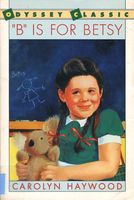
The first book in the series is "B" Is for Betsy, published in January 1939.
The series primarily falls into the General Fiction genre.
It’s best to read the series in order. Each book has its own story, but ongoing character arcs and relationships develop across the series.
The core premise follows Betsy, a bright-eyed, curious little girl as she navigates the ordinary yet enchanting milestones of childhood. Starting with her anxious yet thrilling entry into first grade, the tales unfold through school days, neighborhood escapades, family moments, and seasonal adventures. Betsy learns about friendship, sharing, responsibility, and the simple pleasures of tadpoles in spring, snow days in winter, or circus excitement in summer. Many stories take the form of linked vignettes or short chapters that capture slice-of-life episodes—lost pets, classroom projects, holiday preparations, or playful rivalries—where everyday problems resolve through kindness, creativity, and a touch of mischief. The series gently introduces practical concepts like basic math through lemonade stands or science through classroom pets, all while emphasizing the warmth of community and the security of family.
The series does not currently have a new book scheduled.