
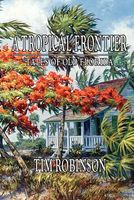
A Tropical Frontier Books in Order
Complete reading order for the Tropical Frontier series.
How to Read the Tropical Frontier series
Mostly standalone stories with recurring characters in a shared setting.
The reading order enhances appreciation but is not strictly mandatory for every entry. The series features interconnected sub-series and sequels, particularly around the Port Starboard community and characters like Charlie MacLeod, where later books directly continue or resolve threads from earlier ones. Publication or chronological sequence—spanning from the 1500s to the 1900s—reveals evolving family lines and historical context most richly when followed progressively. Standalone tales or those in separate sub-series (such as cow hunter adventures or pirate exploits) can be enjoyed independently without confusion, offering self-contained adventures. However, dedicated readers benefit from sequential reading to catch recurring figures, subtle callbacks, and the deepening sense of a living frontier history.
About the Tropical Frontier series
Series Premise
The premise centers on the human struggle and triumph in Florida’s wild, watery landscapes across centuries. Stories follow pioneers, cow hunters, wreckers, rum runners, pirates, and ordinary folk confronting shipwrecks, Indian conflicts, hurricanes, alligators, isolation, and the relentless forces of nature and history. Interwoven are tales of community-building in isolated outposts, personal redemption, family legacies, and the unpredictable “Hand of Fate.†Narratives often highlight how neighbors—despite differences in background, race, or temperament—must rely on one another in environments with no roads, only creeks, lakes, and shores as pathways. Subplots explore love and loss, greed versus glory, prejudice and revelation, and the enduring power of the human spirit amid survival’s daily grind. While some arcs focus on specific eras or individuals, the series creates a panoramic mosaic of Florida’s evolution from colonial times through the early 20th century and beyond.
Main Characters
Main characters often anchor specific stories while recurring across the broader tapestry, creating a sense of extended frontier family. The MacLeods, Dawsons, and Hackensaws stand out as core pioneer clans in early tales, embodying the grit of settlers facing shipwrecks, uprisings, and buried treasure; Charlie MacLeod, with his feathered companion Salty the parrot, emerges as a memorable figure whose adventures and relationships thread through multiple books, culminating in reflective arcs of loss and remembrance. Other notables include Maggie Hooker, the steadfast shopkeeper and postmistress who holds Port Starboard together; Arabelle O’Shea, a bold wrecker or pirate-adjacent captain whose crew features in high-seas exploits; and figures like Caspar Crispian, a former slave turned opera star and pirate, or Jubal Prescott, tied to deeper character resolutions. Supporting and recurring players populate the communities—quirky townsfolk, cow hunters, hermits, gladesmen, rum runners, and Indigenous characters—adding depth and continuity. Families evolve over generations, with children and descendants appearing in later eras, while transient allies or antagonists (beach tramps, brigands, or federal agents) enrich the social fabric. Animals, too, earn spotlight roles, from loyal dogs to opportunistic parrots, symbolizing companionship in solitude.
Setting
The setting is the heart of the series: Florida’s tropical frontier, from the Atlantic shores and Florida Straits to inland swamps, lakes, prairies, and jungled creeks. Primary locales include the fictional yet evocative Port Starboard on Lake Worth in the late 19th century, where a fledgling town emerges without roads, reliant on water travel. Other stories venture into 1860s cattle country, Prohibition-era outposts battling mobsters, colonial shipwreck sites, Indian villages, and desolate beaches haunted by wreckers and beachcombers. The environment feels palpably alive and unforgiving—hurricanes, wildlife, disease, and remoteness test every soul—yet it also offers breathtaking beauty and opportunity. Robinson grounds the tales in authentic historical details, from Spanish colonial encounters to Civil War echoes and rum-running days, making the Sunshine State’s pre-modern era feel immediate and immersive.
Tone & Themes
The tone mixes epic sweep with whimsical charm and gritty realism. Expect pulse-quickening adventures alongside reflective, sometimes humorous or tragic moments—quirky characters like diminutive drunks saving the day or a parrot companion adding levity amid hardship. The writing is cinematic and atmospheric, evoking the sensory overload of tropical wilderness: swarms of mosquitoes, raging seas, sawgrass prairies, and humid isolation. Themes revolve around survival and prosperity in paradise’s harsh embrace, the bonds of makeshift community, redemption from past sins, the realities of war and conflict, and the fickle interplay of fate and free will. Robinson explores love lost and found, the cost of prejudice, the search for identity and home, and the quiet heroism of everyday endurance. Faith in human connection and resilience shines through without overt didacticism, underscoring how individuals and families prevail—or learn hard lessons—against overwhelming odds.
In conclusion, the Tropical Frontier series stands as a loving tribute to Florida’s pioneering soul, blending meticulously researched history with compelling human drama. Tim Robinson invites readers into a bygone world where paradise demands sacrifice, community forges unlikely heroes, and the frontier’s challenges reveal both frailty and fortitude. For enthusiasts of sweeping historical sagas, regional fiction, or stories that honor the American spirit of endurance, these tales deliver adventure, heart, and insight in equal measure. The series reminds us that even in the most isolated corners of the map, the threads of fate, family, and friendship weave a resilient legacy—one that continues to echo through the swamps, shores, and sun-drenched horizons of the Sunshine State.
FAQ
15 books
No new book is currently scheduled. The latest book, The Quest, was published in February 2021.
The Quest was published in February 2021.
The first book in the series is Tales of Old Florida, published in November 2011.
The series primarily falls into the Historical genre.
No, the books do not need to be read in order. Each story stands on its own, but recurring characters and the shared setting connect the series.
The premise centers on the human struggle and triumph in Florida’s wild, watery landscapes across centuries. Stories follow pioneers, cow hunters, wreckers, rum runners, pirates, and ordinary folk confronting shipwrecks, Indian conflicts, hurricanes, alligators, isolation, and the relentless forces of nature and history. Interwoven are tales of community-building in isolated outposts, personal redemption, family legacies, and the unpredictable “Hand of Fate.†Narratives often highlight how neighbors—despite differences in background, race, or temperament—must rely on one another in environments with no roads, only creeks, lakes, and shores as pathways. Subplots explore love and loss, greed versus glory, prejudice and revelation, and the enduring power of the human spirit amid survival’s daily grind. While some arcs focus on specific eras or individuals, the series creates a panoramic mosaic of Florida’s evolution from colonial times through the early 20th century and beyond.
The series does not currently have a new book scheduled.