Genre guide

Psychological Suspense Books

Browse psychological suspense books, authors, and series on FictionDB. Find popular series in order, reader-favorite authors, and related fiction categories.

Top Psychological Suspense Series

Start with popular psychological suspense series, especially if you want connected books, recurring characters, or a clear reading order.
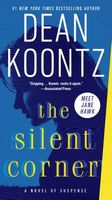
Popular Psychological Suspense Authors

Browse authors frequently associated with psychological suspense books and series.

Popular Psychological Suspense Books

Explore popular psychological suspense books from FictionDB’s genre data.
About Psychological Suspense

Psychological suspense (also frequently called psychological thriller or psychological suspense thriller) is a gripping subgenre of suspense and thriller fiction that emphasizes the inner workings of the human mind -- fears, obsessions, paranoia, unreliable perceptions, and mental instability -- over physical action or external threats. The tension arises from psychological manipulation, distorted realities, moral ambiguity, and the unraveling of characters' psyches rather than chases, explosions, or overt violence. Psychological suspense creates a pervasive sense of unease, dread, and uncertainty by delving into the darkest corners of the mind.

Stories often explore:
- Unreliable narrators -- Characters whose perceptions may be flawed due to trauma, mental illness, gaslighting, or deception, making readers question what's real.
- Internal conflict and mental danger -- Threats are more emotional/psychological (e.g., paranoia, obsession, identity crises, manipulation) than physical, though danger often escalates to real-world consequences.
- Suspense through mind games -- The plot builds dread via twists, misdirection, obsession, and the slow erosion of sanity or trust, keeping readers guessing about motives, memories, and truths.

The genre blends elements of suspense (building anticipation and anxiety) with psychological fiction (deep character introspection) and thriller (high stakes and tension), but prioritizes intellectual/emotional unease over fast-paced action. Many sources treat "psychological suspense" and "psychological thriller" as interchangeable or very similar, with "suspense" sometimes implying a slower, more tension-focused build and "thriller" a bit more plot-driven intensity.

Key Characteristics:
- Unsettling, intimate tone -- Chilling, moody, disturbing, often domestic or everyday settings that turn sinister (e.g., homes, relationships, workplaces).
- Character-driven -- Focus on obsessive, pathological, or psychologically stressed characters; explores morality, guilt, trauma, and the blurred line between victim and perpetrator.
- Twists and unreliability -- Frequent plot reversals, red herrings, and revelations that force reevaluation of earlier events.
- Pacing -- Measured build-up of dread (less breakneck than action thrillers); mental activity and relationships drive the story.
- Themes -- Paranoia, gaslighting, identity, mental illness, toxic relationships, revenge, the fragility of reality, and the "why" behind dark behavior over the "how" of a crime.

Contrast with Related Genres:
Vs. Romantic Suspense -- Romantic suspense balances equal romance + danger; psychological suspense rarely centers romance (subplots possible) and focuses on mental unraveling.
Vs. Political / Legal Thriller -- Those emphasize external systems (government, courts, conspiracies); psychological suspense is intimate and mind-focused.
Vs. Mystery Subgenres (Cozy, Police Procedural, Historical) -- Mysteries prioritize solving puzzles; psychological suspense may include crimes but cares more about psychological "why" and emotional impact than whodunit mechanics.

Psychological suspense is perfect for readers who crave mind-bending tension and emotional depth -- think the unease of questioning your own perceptions or those around you. It's darker and more introspective than cozy mysteries or romantic suspense, offering intellectual chills instead of comfort.