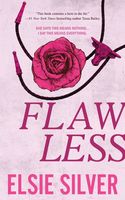
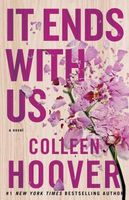
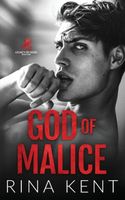
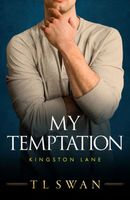
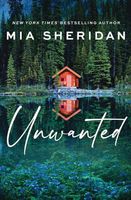
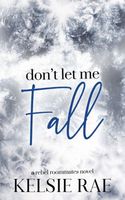
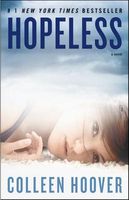
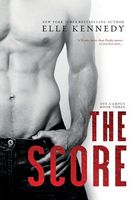
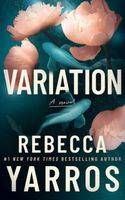
New Adult (often abbreviated as NA) is a fiction category that bridges Young Adult (YA) and full Adult fiction. It emerged around 2009 when St. Martin's Press coined the term for stories featuring protagonists roughly aged 18-29 (most commonly 18-25), capturing the messy, transitional phase of early adulthood.
Key Characteristics:
- Protagonist age and life stage -- Characters are typically college-aged or recent graduates, dealing with "firsts" as legal adults: first time living independently, first serious romantic/sexual relationships, first full-time job or career struggles, first major financial responsibilities, etc.
- Themes -- Focus on identity formation, self-discovery, leaving home/family, navigating higher education or early career choices, mental health challenges, sexuality exploration, toxic/healthy relationships, and finding one's place in the world. Stakes often feel high and personal because characters are still figuring out who they are without the structure of high school or parental oversight.
- Tone and content -- More mature than typical YA: explicit language, on-page sex (sometimes quite steamy), alcohol/drug use, darker emotional territory (trauma, abuse recovery, depression), but still often retains the emotional intensity, fast pacing, and hopefulness of YA.
- Common settings -- College campuses, post-grad apartments, early jobs, road trips, or moving to new cities -- places symbolizing freedom mixed with uncertainty.
- Popular subgenres -- Heavily overlaps with romance (many early breakout NA hits were steamy college romances), but it can include contemporary, fantasy, thriller, or other elements. It's not strictly a genre like "mystery" or "fantasy"; it's more of an age/market category like YA.
Current Status:
New Adult peaked explosively around 2012-2015 (thanks to self-pub hits like Colleen Hoover's early works, Jennifer L. Armentrout, Cora Carmack, and Anna Todd's After series). Traditional publishers experimented with it but largely backed away, often shelving NA books as "adult contemporary" or "romance" instead. Today, many stories that fit the NA mold are marketed as adult fiction, romantasy, or even absorbed into broader YA crossover appeal. That said, the feeling of New Adult remains very much alive -- especially on platforms like TikTok/BookTok, Wattpad, and indie publishing -- where readers in their late teens/20s still crave stories about messy early-20s life, steamy relationships, and figuring out who you are post-teen years. The label itself is used less in mainstream publishing now, but the niche it filled hasn't disappeared; it's just been rebranded or blended into other categories.