Genre guide

Dark Fantasy Books

Browse dark fantasy books, authors, and series on FictionDB. Find popular series in order, reader-favorite authors, and related fiction categories.

Top Dark Fantasy Series

Start with popular dark fantasy series, especially if you want connected books, recurring characters, or a clear reading order.
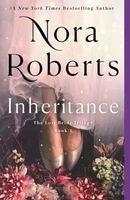
Popular Dark Fantasy Authors

Browse authors frequently associated with dark fantasy books and series.

Popular Dark Fantasy Books

Explore popular dark fantasy books from FictionDB’s genre data.
About Dark Fantasy

Dark Fantasy is a subgenre of fantasy that fuses the magical, mythical elements of traditional fantasy (wizards, monsters, quests, secondary worlds) with the disturbing, frightening, and often horrific tones of horror fiction. It creates stories set in fantastical realms where wonder is tainted by dread, moral decay, cosmic terror, or unrelenting bleakness -- think epic adventures gone wrong, where heroes face not just dragons but existential horrors, corruption, and the fragility of sanity or humanity. Dark fantasy delivers immersive escapism with a sharp edge: the magic feels dangerous and costly, the world is hostile or decaying, protagonists are flawed/anti-heroic, and victories come at a heavy price (if they come at all). It's perfect when you crave the scale and imagination of fantasy but want it laced with unease, psychological depth, gore, or supernatural terror -- less "hero saves the kingdom with a prophecy" and more "hero barely survives the nightmare while questioning their soul."

Key Characteristics:
- Tone & Atmosphere -- Brooding, ominous, unsettling. Pervasive dread, moral ambiguity, and horror elements (body horror, cosmic insignificance, psychological torment) dominate over pure wonder or heroism.
- Worldbuilding -- Secondary worlds (invented realms) infused with horror: cursed lands, eldritch gods, necrotic magic, decaying empires, demonic incursions, or societies built on sacrifice/tyranny. Magic often corrupts users or has horrific consequences.
- Protagonists -- Rarely pure heroes; often anti-heroes, morally gray figures, tragic souls, or ordinary people thrust into nightmare. They may wield dark powers, face inner demons, or make ruthless choices.
- Themes -- Corruption of power, the cost of ambition/magic, human monstrosity, inevitability of suffering, blurred lines between good/evil, existential horror, revenge, madness, or the illusion of hope.
- Content Level -- Frequently mature: graphic violence, gore, psychological horror, sexual violence (in grimmer works), trauma, despair. Not always "hopeless," but optimism is rare or hard-won.
- Pacing & Style -- Can be epic (sprawling quests) or intimate (personal descent into madness); vivid, atmospheric prose that builds tension and unease.

Grimdark is often seen as a darker, more cynical subset of dark fantasy (no hope, extreme brutality), while pure horror prioritizes fear over fantasy adventure. Dark fantasy sits between -- horror-infused fantasy with some narrative drive and possible redemption.

Dark fantasy thrives amid the romantasy boom and horror resurgence, appealing to readers who want mature, atmospheric fantasy without full grimdark nihilism. It overlaps with gothic fantasy, dark romantasy (steamy but bleak), and cosmic/eldritch fantasy. BookTok and indie publishing fuel gothic-tinged and folklore-inspired dark fantasies, while epic series add horror layers.

If you're diving in, start with The Witcher for accessible dark fantasy or Mieville for weirder horror blends. Readers love it for the emotional weight -- magic isn't a gift; it's a curse that bites back.